



Sales of electric cars are on the rise in Europe: 1 in 5 new models is fully electric
Sales of electric cars are rising rapidly in Europe. Find out what this growth means for your vehicle fleet and your future mobility choices.
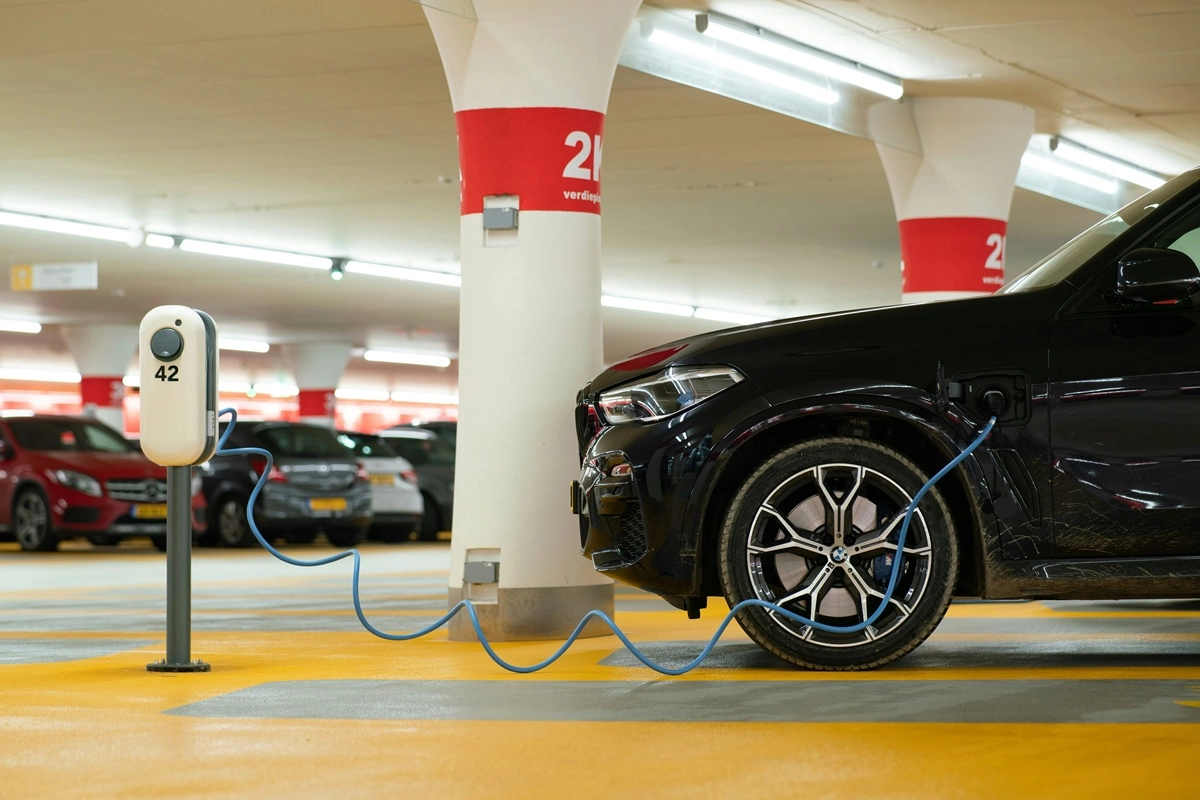
Sales of electric cars are booming in Europe. According to the European industry association ACEA, registrations of fully electric cars in particular saw strong growth. In the first half of 2026, 20.7 per cent of newly registered cars were fully electric, compared with 15.6 per cent a year earlier. Electric vehicles are also playing an increasingly important role within business fleets. This is due not only to the growing range of models available, but also to changing legislation, tax developments and increasingly attractive electric models. For fleet owners, this is therefore a good time to look ahead. What does the growth of electric vehicles mean for your fleet?
Increasing choice for business drivers
Whereas a few years ago organisations could only choose from a limited number of electric models, car manufacturers now offer a wide range – from compact city cars to spacious SUVs and commercial vehicles. An electric car is now available for virtually every business application.
At the same time, range and charging speed are constantly improving. As a result, electric driving is becoming a practical option for an ever-growing group of drivers.
This is also reflected in the European sales figures. According to ACEA, over 1.2 million new fully electric cars were registered in the first half of 2026. Registrations rose in three of the four largest European car markets, with Germany, amongst others, showing strong growth.
The Netherlands is leading the way in electric driving
The Netherlands is also among the European frontrunners. Around 40 per cent of new passenger cars registered this year are fully electric. For business fleets, too, the switch to electric is becoming increasingly relevant. From 2027, the ‘pseudo-final levy’ will play a significant role in the choice of new company cars. As a result, employers may face additional costs if they provide a new fossil-fuel passenger car that may also be used for private purposes. Fully electric cars are exempt from this levy. The electrification of corporate fleets is therefore expected to accelerate further. ING Research even expects that, in 2027, for the first time in the Netherlands, more new fully electric cars will be sold than cars that run exclusively on fossil fuels.
Hybrids remain popular in Europe
Hybrid cars also remain popular. According to ACEA, hybrids accounted for the largest share of the European market in the first half of 2026. Their popularity is growing particularly in countries such as Italy and Spain. In the Netherlands, this trend may play out differently, as from 2027 new plug-in hybrids may also be subject to the pseudo-final tax.
Differences between countries are due, amongst other things, to national incentive schemes and the availability of charging infrastructure. The Netherlands has one of the best charging networks in the world for EVs, and other European countries are racing to catch up with us. Taking an electric car on a driving holiday is now also a viable option in many EU countries.
Electric driving requires new decisions regarding the vehicle fleet. These include choosing the right vehicle, smart charging, cost control and understanding the Total Cost of Ownership. At PrismaFleet, we support organisations with independent advice and insights. Interested? We’d be happy to visit you for an exploratory discussion. Simply book a no-obligation appointment online.

